Generative video production on the client's own GPU server, gated by automated QC

1 / 2 · Open full size
A Python pipeline generating an episodic scene end to end on the client's own GPU server — keyframes, motion, voice, lip-sync — with every cut scored by automated QC gates.
A studio producing a weekly episodic series with two recurring characters wanted to stop paying for cloud generation and run the whole production on their own RTX 5090 server. The interesting part was never the generation; it was consistency. Across shots, across episodes, the same character has to remain the same character, and a human watching every frame is not a scalable quality process.
We worked over SSH on the client's own machine and built a Python pipeline that takes a scripted scene from text to a finished 1080p cut:
We also fixed the client's pre-existing pipeline scripts, reviewed the server environment, and wrote up the workflow and model choices so the studio could operate it without us.
Generative video fails in specific, repeatable ways: a mouth that keeps moving when the character is listening, a face that drifts into a different person between shots, a style mismatch between cuts, a blur patch where a mask edge sat. So rather than eyeballing renders, we wrote a gate harness that scores every cut automatically before a human ever sees it — mouth-motion gating, style matching against a reference, identity and face-lock checks, voice quality analysis, and an overall video QC pass, rolled up into a six-gate verdict.
That harness is what turns "it looks off" into a numbered, reproducible defect. Every review pass in the project is recorded as numbered findings against the gates, which is why the defect list is long — it is supposed to be.
A milestone encode was produced for client review, and an M2 master subsequently passed all six gates. Review then logged three further defects — identity splitting across shots, listener lip motion, and a visible blur patch — and those remain open. The engagement is live and the scope has been restructured into measured milestones against a written pass/fail metrics grid, which is the right shape for work of this kind: acceptance is defined numerically up front rather than negotiated after the render.
We are not presenting this as finished work. The rendered output is the client's intellectual property and is not published here.
Move a weekly episodic AI video series off paid cloud generation onto the client's own GPU server, while keeping two recurring characters visually and vocally consistent across shots — a consistency problem that cannot be solved by watching every frame by hand.
We built a Python pipeline on the client's server covering keyframe generation from character LoRAs, image-to-video motion, purpose-built locked English voices, per-character masked lip-sync and ffmpeg assembly at 1080p. On top of it we built an automated QC harness that scores every cut against six acceptance gates — mouth motion, style match, identity lock, voice quality and overall video QC — so defects arrive numbered and reproducible instead of subjective.
A milestone encode was produced for review and a later master passed all six QC gates. Three further defects were logged in the following review pass and remain open. The engagement is ongoing under a restructured milestone plan with a written pass/fail metrics grid; no version has yet been accepted as final.
Category
Automation
Industry
Media Production
Year
2026
Components
1 repository
Automation
Python lead-discovery and AI outreach pipeline, handed over for the client to run himself
Automation
Invite counting and automatic role assignment for a Discord community
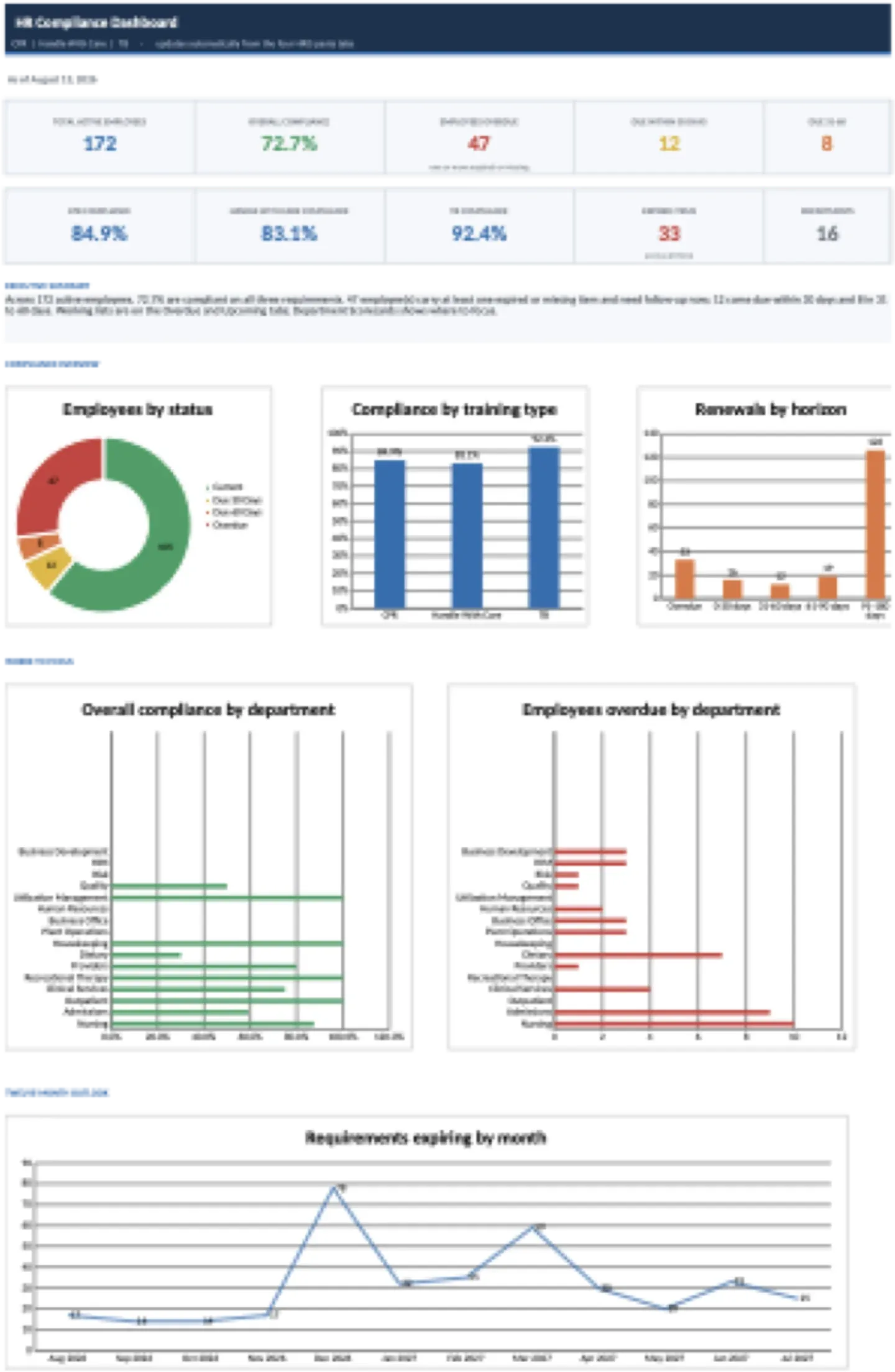
Automation
Macro-free compliance reporting workbook built to a 13-part specification